
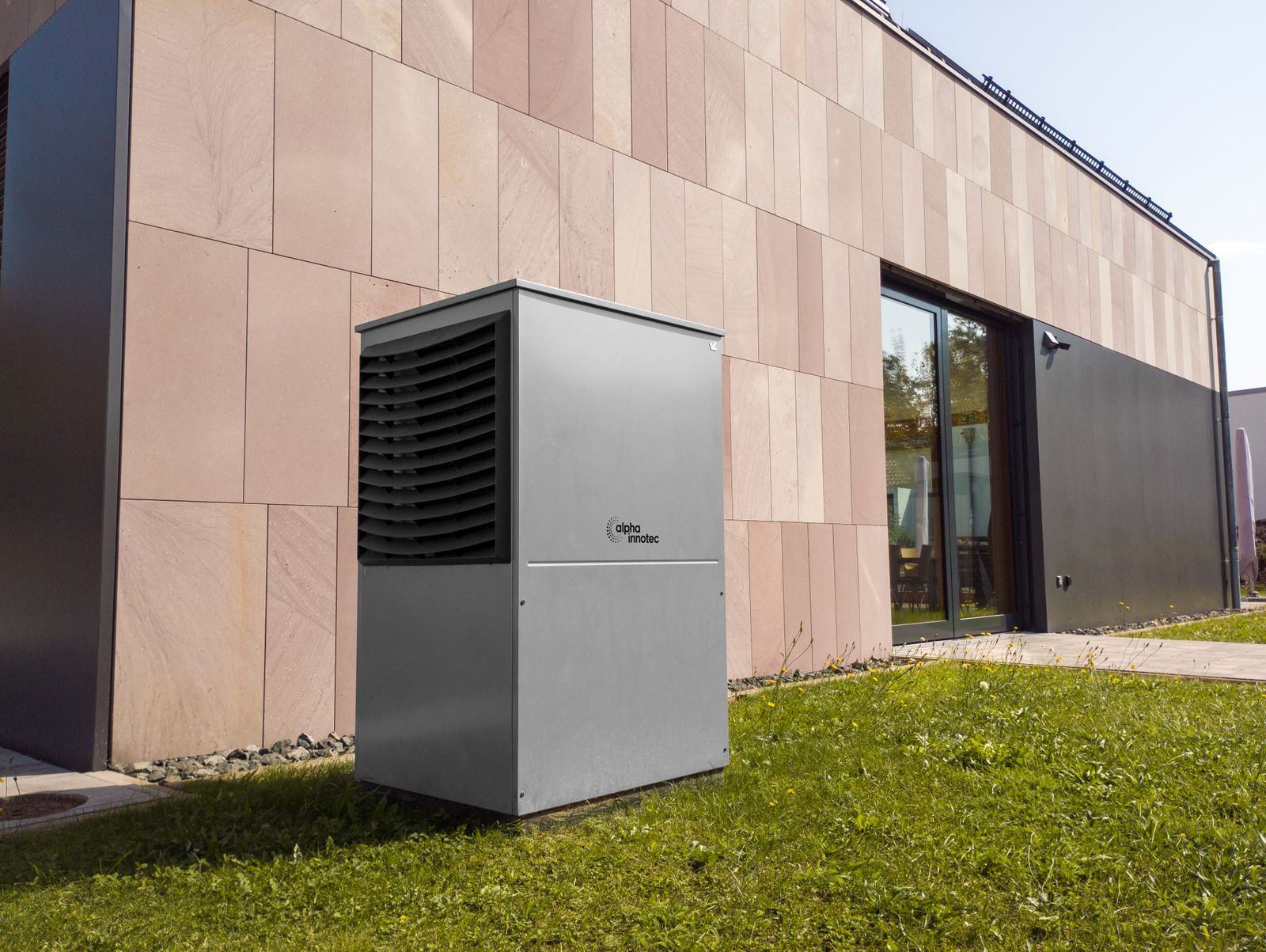
A heat pump water heater works like a refrigerator running in reverse. A small compressor and refrigerant loop sit on top of an insulated tank, pulling warmth out of the surrounding air and pushing it into the water. Because the unit moves heat rather than generating it with a resistance element, it needs far less electricity than a standard electric tank would burn for the same shower. That is why these units carry Uniform Energy Factor ratings around 3 or higher, compared with roughly 0.9 for a conventional electric model, and why so many Plantation, FL homeowners who heat water with electricity are seriously considering the switch.
Placement matters more for a heat pump water heater than for any other type. The unit needs a steady supply of room air, so manufacturers generally want around 700 cubic feet of open space, or ducting to borrow air from a larger area when the utility closet is tight. As it runs, it cools and dehumidifies the room, a bonus in a humid basement or hot garage and a drawback in a small, already chilly space. Compressor operation has a comfortable range: in a space that drops near freezing, the unit switches to its electric elements and the efficiency advantage disappears for those hours. Add a condensate line that must drain by gravity or pump, a fan and compressor that make about as much noise as a dishwasher, and a dedicated 240-volt circuit on most models, and you can see why the site survey matters as much as the brand.
The final piece is setup. Most hybrids offer several operating modes: heat pump only for the lowest operating cost, hybrid for a balance of efficiency and recovery, electric or high demand for heavy-use days, and a vacation setting that idles the tank while you are away. Because the heat pump recovers more slowly than an element, we often suggest stepping up one tank size, such as a 65-gallon unit in place of a 50, so the household rarely needs the elements at all. We install the unit with a proper drain pan and condensate line, the correct circuit, an expansion tank where the plumbing calls for one, and a sensible thermostat setting, then walk you through the modes. Utility rebates and federal tax credits are offered on many qualifying units, and we can point you toward the programs to check, though we cannot promise what you will qualify for. For a heat pump water heater in Plantation planned around your actual space, call (754) 334-5948.
Most of our service calls are for Water Heater Installation in Plantation. Start there if you're not sure what you need.
Warning Signs to Watch For
Recognizing the warning signs early can save you money and keep a slow drip from turning into a flooded utility room. Here are the most common indicators that it's time to call a professional:
- A hot garage in summer that pulls heat the unit can put to use
- Existing electric water heater wiring that may serve the new unit
- Power bills where water heating is a large and steady line item
- An all-electric home, or one heading that direction
- A musty lower level where cooler, drier air would be welcome
- Curiosity about incentive programs for qualifying water heaters
- Open space around the current water heater, such as a basement or garage
- An aging electric water heater you want to replace before it fails
Act Before It Gets Worse
A little rust-colored water or a relief valve that drips now and then can be the first hint of a tank that is close to the end. A quick call to (754) 334-5948 gets a technician out to check it before it becomes an emergency.
Talk to Us About Heat Pump Water Heaters
One call gets a technician scheduled and a clear price before any work starts.
Tap to Call (754) 334-5948Frequently Asked Questions About Heat Pump Water Heaters
Why Hire a Professional for Heat Pump Water Heaters?
A heat pump water heater is more than a tank swap. It is a plumbing appliance, an electrical appliance, and a small refrigeration system at once. The plumbing has to include a relief valve line to an approved spot and an expansion tank when the system is closed. The circuit has to match the manufacturer's requirements, which may differ from the tank it replaces. And the room has to supply enough air, or the compressor starves and the unit quietly leans on its elements. That last point is the one most often missed, and it turns an efficient appliance into an expensive standard heater.
Then there is the physical work. A filled 65 or 80 gallon tank is very heavy, the unit is taller than most standard heaters, and condensate needs a route that will not overflow onto a finished floor. Switching from gas adds capping the gas line, removing or sealing the old vent, and running new power. Refrigerant repairs on the sealed system call for specific training and recovery equipment. Our experienced technicians plan all of it from the first visit, set up the modes before they leave, and give you the product details you need for any rebate or tax credit paperwork, while leaving eligibility decisions to the program itself.
Our Heat Pump Water Heaters Process
Good water heater work comes down to a consistent routine, and ours starts with a real diagnosis instead of a guess. Here's the short version:
Space and Airflow Check
We measure the room volume, note how warm or cold it runs through the year, find the nearest drain for condensate, and check the electrical panel for a 240-volt circuit.
Right-Sizing the Tank
Based on household size and peak demand, we recommend a tank capacity and model, often one size larger than your old tank to offset slower heat pump recovery.
Installation and Condensate
We haul away the old unit, set the new one level in a pan, connect the plumbing and circuit, route the condensate, and add code items like an expansion tank where required.
Mode Setup and Walkthrough
We fill and purge the tank, confirm the compressor runs and the condensate drains, set a safe temperature, and choose the mode that fits your routine.
Want a Professional Opinion?
We give honest advice and upfront pricing on every job, big or small.
Call (754) 334-5948 TodayWater Heater Care Tips From Our Technicians
A few simple habits, like an annual flush and a quick look at the relief valve, can add years to a tank. Start with these practical measures our team relies on:
- Leave clear space around the intake and exhaust instead of stacking storage against them
- Check that condensate is reaching the drain and the pan stays dry
- Flush the tank once a year to clear sediment, just as you would with a standard heater
- Replace the anode rod when it is mostly consumed to extend the tank's life
- Do not store solvents or run a dusty workshop right next to the unit
- Rinse the intake filter a few times a year; a clogged filter drags efficiency down
- Switch to vacation mode before a trip to cut idle energy use
Should You DIY or Call a Pro?
The line between a safe DIY check and a risky repair is usually the moment you need to open a gas fitting, a vent connection, or an electrical cover. Consider the following comparison:
| Factor | Doing It Yourself | Professional Service |
|---|---|---|
| Placement | Squeezed into a small closet | Air volume checked, ducting planned if needed |
| Electrical | Circuit left unchecked | Breaker and wire sized correctly |
| Drainage | Line left to drip on the floor | Pan and drain line installed together |
| Tank Capacity | Chosen from the shelf price | Sized for peak demand and recovery |
| Operating Mode | Stuck in electric mode | Settings chosen for savings |
| Safety Details | Drain pan left out | T&P discharge, pan, and expansion tank handled |
Get Heat Pump Water Heaters Help Today
The sooner you call, the sooner the hot water is back. Reach Plantation Water Heater for fast service.
Get Help: (754) 334-5948Heat Pump Water Heaters Near Plantation
Our service area reaches well past the city limits. Choose your community for local details.